How to Interview a Longtime Local Resident: A 10-Step Oral History Guide
Every town keeps two versions of itself: the one in the records office and the one in the heads of people who have lived there for fifty years. The second version is more fragile than it looks. It survives in kitchen-table anecdotes, in phrases like “before the bridge,” in half-finished sentences about a neighbour nobody else remembers. Getting those memories out of a head and onto a page takes more than switching on a phone and asking, “So, what was it like?” What follows is the practical version — the preparation, the questions, the consent, and the follow-up that make the difference between a nice afternoon and a piece of local history you can actually use.
Begin With a Reason to Ask
“Tell me about the old days” is not a question; it is a shrug. Nobody can answer it, so they give you a polite summary and the recorder captures twenty minutes of nothing.
Decide first what you are trying to document. Not “the history of the village” but “the years the tannery was running,” “how the market square changed,” “what happened to the families who left the hillside farms.” A narrow subject gives your narrator something to push against, and it makes the resulting material easier to edit into a story.
Choose your person for the same reason. The oldest resident is not automatically the right one. You want someone who was present at the specific thing you are asking about — the woman who worked the counter, the man who drove the delivery route, the neighbour who watched the whole street from her window. Ask two or three people who else remembers, and you will usually be pointed toward someone better than the person you had in mind.
Do light homework: old photographs, a map from the period, a stack of parish or club bulletins, a few clippings. Enough to ask a sensible question, not so much that you arrive with a script you are determined to confirm.
Write Questions That Open Doors
Plan for about a dozen questions and expect to use six. Write them open-ended, sensory, and specific enough to be answerable. “What did this street sound like in the morning when you were a child?” works because it asks for a detail rather than a verdict.
Questions worth having ready
- Who ran the shop on the corner, and what did people say about them?
- What used to happen here that no longer happens at all?
- What did a Sunday look like in your house?
- Who did people go to when something went wrong?
- What did the place smell like in summer? In winter?
- What do outsiders always get wrong about this town?
- What did your parents argue about with the neighbours, if you don’t mind my asking?
- Which building do you miss most, and why that one?
Then write a short list of the ones to avoid. Anything answerable with yes or no. Anything starting with “Why didn’t you…” which sounds like an accusation. Anything that asks the narrator to pass judgment on a named living person — you can ask what happened, and let them decide how much interpretation to offer.
Keep a second list of things to verify
Names, spellings, roughly when a business closed, which family lived in which house. Write these down as they come up and check them afterwards, with a second resident, a photograph, or a record. Do not stop the flow of memory to interrogate a date.
Get Consent Right, Before You Press Record
Ask permission before the recorder goes on, and ask clearly. Explain in plain words where the material will appear, who will be able to see it, and whether it might later be used for anything else — an archive, a booklet, a small exhibition. If that possibility exists, say so now rather than coming back two years later to ask again.
Then record the agreement. A short spoken statement at the start of the file is enough: the date, the names of the people present, and a sentence confirming that the narrator agrees to be recorded and knows how the recording will be used. If the piece will be published, follow up with a signed note, and keep it with the file. A simple permission slip that covers the name used, the purpose, and the possibility of withdrawal is better than a lengthy document nobody reads.
Say out loud that they can stop at any point, skip any question, ask for something to be left out, or ask to see the quotes before publication. People relax when the exit is visible.
Be careful with other people’s reputations. Memories about disputes, debts, court cases, or family scandals may be accurate and still not yours to publish in detail. If a story turns on something that could harm a named person, get proper advice before you run it — local rules and expectations differ, and this is one area where a second opinion is worth the phone call.
Run the Interview Like a Conversation, Not a Form
Put the recorder close, on a hard surface if possible, and check the levels before you start telling stories of your own. Ninety minutes is a sensible first session; two hours is a long time for anyone over eighty. Offer water. Sit where the light is not in their eyes and where they can see your face.
Then work through your questions slowly, and use the most useful tool available to an interviewer: silence. When an answer ends, wait. Count to five. The second version of the story — the one with the details in it — usually arrives after the pause.
Follow the interesting thing rather than the list. If a narrator mentions the winter the river froze and the bread truck could not get through, that is your cue to spend fifteen minutes there. Steer back when you need to. Ask for specifics gently: what was that called, who else was there, how old were you, what did people do about it. When a claim sounds shaky, ask “how do you come to know that?” rather than “are you sure?”
Take notes on what the recorder cannot see: the framed photograph on the sideboard, the objects they pick up while talking, the dialect words you will need to look up later, the moments when they stop and say “well, that’s not for the article.”
Turn the Recording Into Something Usable
Transcribe at least the passages you intend to quote, and do it yourself if you can. Listening again at half speed is where you notice the sentence you missed and the detail that changes the shape of the piece. Mark timecodes so you can find the good bits twice.
Keep the narrator’s voice. Dialect words, unusual syntax, the way someone says “the little bridge” as if there were only one — that is the texture readers come for. If a term needs explaining, use a short glossary or a brief clause of context, not a paraphrase that flattens it.
Verify what can be verified, and be honest about the rest. If two residents remember the same event differently, that disagreement is often the most interesting paragraph you will write. Say who remembers what. Avoid inventing the connective tissue that makes a messy memory tidy.
Follow Up, and Give the Story Back
Send a thank-you within the week, and use the message to ask the two or three questions the recording left open. People often remember the crucial detail three days later, in the bath.
Before publishing, show the narrator the quotes you plan to use, or the draft if they want it. Some will correct a date; some will soften an opinion; a few will want a sentence removed. Honour those requests unless there is a serious reason not to, and say so plainly if that happens. Give them a copy of the recording. Ask whether there are photographs you could scan, and ask who else you should be talking to — one good interview usually leads to the next.
The Night-Before Checklist
- One clear subject, written in a single sentence.
- Three candidate narrators, with a reason for each.
- Eight open questions, plus a list of names and dates to check afterwards.
- A printed permission note and a pen.
- Phone or recorder charged, with spare storage and a backup device.
- One photograph or object from the period to start the conversation.
- A firm end time, and a plan for a second visit.
- A thank-you note already drafted.
The work does not end when the recorder stops. It ends when the narrator has seen what you wrote, corrected what needed correcting, and agreed that it sounds like the place they remember. That is when a memory becomes a story the town can keep.
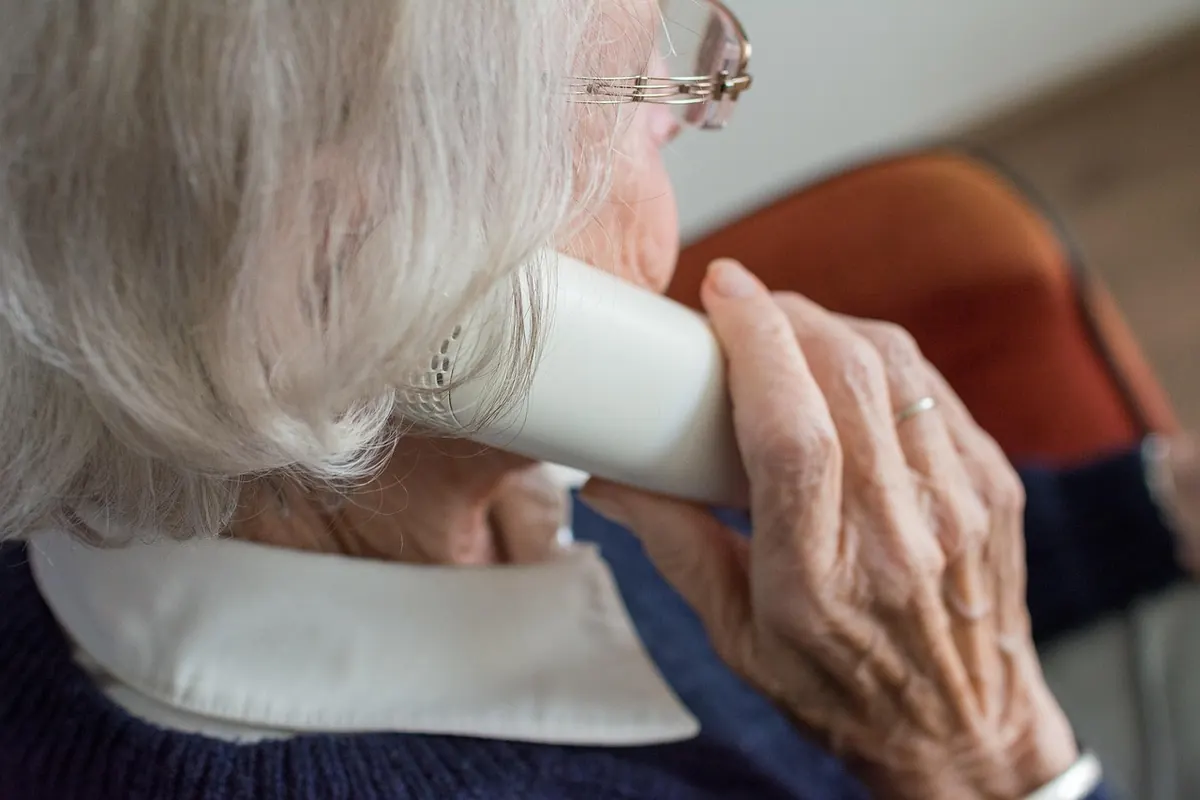
Photo: sabinevanerp / Pixabay