Rainy-Day Local Story Prompts: 12 Seasonal Ideas for Indoor Interviews
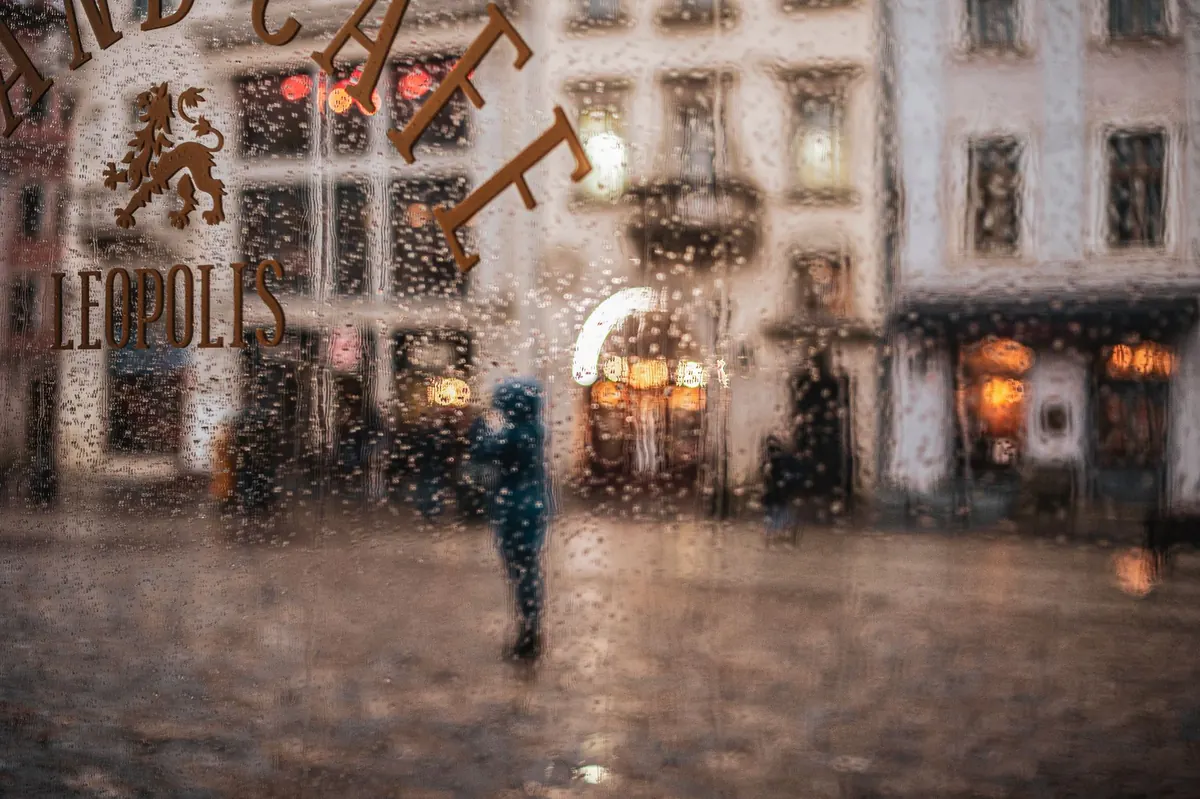
You had a bench picked out by the fountain, the recorder charged, and a retired schoolteacher who said she would meet you at ten. By half past nine the sky had other plans. The temptation is to reschedule and lose a fortnight, but a wet afternoon is often the better interview. The square empties, the light goes soft, and nobody has anywhere else to be. What follows are twelve prompts arranged by season, plus a handful of formats that keep the pressure low when you are sitting in someone's kitchen with a cup of coffee going cold between you.
Why a Wet Afternoon Often Beats the Square
Outdoors you fight for every word. Wind hits the microphone, a scooter passes twice, and the person you are interviewing keeps glancing at whoever is walking by. Indoors, most of that disappears. People speak more slowly in their own front room, and they tend to say the thing they actually mean.
The room also does work for you. Photographs on a sideboard, a calendar with three birthdays circled, a chair nobody sits in since someone died. You do not have to ask about any of it directly. You only have to notice it out loud and let them correct you.
The trade-off is noise. A fridge hum, a ticking clock, a television murmuring in the next room, hard floors and bare walls that make every voice bounce. Sit slightly off to the side rather than directly opposite, put the recorder on a folded cloth, and ask, once, whether the radio could go off. Nobody minds being asked.
Winter: Steam on the Windows
Winter interviews run long because the kitchen is warm and leaving means putting on a coat. Accept the second coffee. Expect interruptions — a grandchild, a pot, a phone call about a delivery — and treat them as material rather than interruption, because the way someone handles a phone call tells you about them.
- "What did this kitchen smell like in December when you were small?" Smells carry dates better than dates do. Bread, chestnuts, bleach, a particular soap.
- "Which winter does this town still talk about, and who got everybody through it?" The answer usually names a person, and that person is a lead.
- "Where did people go when the weather closed the roads?" Good for finding out which houses were always open, and why.
Spring: The Restless Indoors
Rain in spring feels like a held breath, and people fidget. Sessions here should be shorter — forty minutes, an hour at most — and it helps to say so at the start. "I only need three quarters of an hour" relaxes a person who was bracing for an afternoon.
- "What gets repaired in this town every spring?" Roofs, shutters, benches, the church steps, somebody's motorbike. Repairs have waiting lists, and waiting lists have gossip.
- "Who decides when spring has officially arrived here?" Someone always does. A particular tree, a feast day, the first person to sit outside at the bar.
- "Tell me about a spring that came too early and ruined something." Frost on blossom, a wedding moved indoors, a market that opened a week too soon.
Summer: Shutters Closed, Stories Open
August interviewing has its own clock. The dead hours after lunch, when the shutters are down and the street is too bright to cross, are exactly when people are sitting still and willing to talk. Keep it short, bring water, and do not arrive straight after a heavy meal.
Storm nights work too. A hot week that ends in thunder gets people onto the balcony and into a reflective mood.
Ask about heat and you get architecture, habits and grudges. Ask "what was the hottest summer" and you get all three at once.
- "Where did you go to be cool before anyone here had air conditioning?" Cellars, church porches, a particular bench under a particular tree.
- "What is the loudest summer night you remember in this town?" A festival, a storm, an argument, a machine that ran until dawn.
- "Who left in August, and who came back?" Seasonal work, relatives from abroad, students who stayed away. Ask what they brought with them.
Autumn: The Season That Asks Questions
Autumn prompts drift toward work, endings and paperwork, which is why they suit the people who keep records: the market seller with the notebook, the farmer with the almanac, the person who has run the same fair for twenty years.
- "What is the first job that tells you the season has turned?" Not the first sign — the first job. That distinction gets you a list.
- "What does this town do with the last of something?" The last tomatoes, the last fair, the last hour of daylight worth working in.
- "Who keeps the accounts, the calendar, the list of who does what?" Follow that answer and you will often end up holding a document, which is the best interview prop there is.
Five Formats That Keep the Pressure Low
A formal sit-down with a microphone on the table makes some people perform. These alternatives work better in a small room, and each one gives you an easy way to end the conversation without it feeling like a rejection.
- The twenty-minute table. Say at the start that you only need twenty minutes. Take written notes for the first half and ask to record the rest once they have relaxed.
- The object-led interview. Ask them to have one thing ready — a photograph, a tool, a receipt, a letter. The object holds the silences for you, and hands stay busy.
- The two-person conversation. Invite two people who know each other well and sit slightly back. Let them disagree. Disagreement is where the specific details live.
- The indoor walk. Move through the house, the corridor, the garage, the cellar. Walking loosens speech; record from a few steps behind and let them lead.
- The follow-up call. Ten minutes a week later, once they have remembered the good part in bed at two in the morning. Also the natural moment to confirm what may be published.
Housekeeping Before You Sit Down
Record permission at the top of the file: date, name, what the story is for, and who might hear it. Agree a phrase for off the record and use it yourself so they know it is real. Keep a second recording on a phone, not because the good recorder will fail but because one day it will.
During the conversation, write down three things only: names, places, and any phrase you want word for word. Trying to transcribe live makes people self-conscious and makes you a bad listener. Photograph objects with permission and record the caption on the spot, in their voice.
Where a story touches money, an inheritance dispute, or someone's health, slow down. Publish nothing identifying without a clear yes from the person concerned, and if the matter is serious, suggest they check the details with someone qualified rather than relying on your notes. A single careless paragraph can close a street to you for years.
Keep a Rainy-Day File
Make a list of ten people who are impossible to reach in good weather — the ones who work outside, the market traders, the person with the keys to the hall — and write down their number, the best hour to call, and what you already know they will talk about. When the forecast turns, work down the list. Have one default opening question ready, something like "What did this street sound like when you were a child?" and let the rest follow. The rain gives you a reason to knock, which is usually the hardest part.
Photo: Alexander Zvir / Pexels