Seasonal Story Calendar: A Checklist for Capturing Local Traditions Month by Month
Every town keeps a calendar nobody prints. It lives in the memory of a baker who knows when the chestnuts come down, in the hands of the woman who still makes the Easter bread, in the way the piazza fills on one particular Sunday in July. If you wait for the posters, you will always arrive late with a notebook already half-closed. The fix is quiet and unglamorous: sit down once, sketch the year ahead, and let the seasons tell you what to record. What follows is a working checklist for building that calendar, filling it with events worth covering, and asking questions people actually want to answer.
Build the Calendar in One Afternoon
Take a large sheet of paper and draw twelve rows. Three columns: dates, what happens, who to call. Then fill it in this order.
- Fixed dates first. The patron saint's feast, market days, the civic anniversary, the religious observances your town genuinely keeps rather than the ones printed in the diocesan leaflet.
- Then the movable ones. Easter pulls a whole cluster behind it: Carnival, Holy Week, the Monday picnic, Corpus Christi processions. Harvest dates drift by two or three weeks depending on rain, so mark them with a question mark.
- Mark the traditions with no poster. The week the tomatoes go into jars. The first morning the mushroom hunters vanish into the woods. The day the benches get carried back out of the bar. These are the stories nobody else will record.
- Write names, not just events. Beside each entry, note who to call and when. Two weeks ahead is usually enough; give a month for anything involving the parish or the town hall.
- Leave a third of the sheet empty. Something will always arrive that you did not plan for, and you will want the room to write it down.
Then check the whole thing against three people: a retired teacher, a sacristan, and whoever has run the bar longest. Each will correct a different third of your assumptions, and one of them will mention a tradition you have never heard of. That entry alone is worth the afternoon.
Two Weeks Out: The Pre-Event Checklist
Most missed stories are missed in the fortnight before, not on the day. A short routine saves you.
- Call rather than message. A voice gets you details, a text gets you a thumbs-up.
- Ask what time it actually starts. Posters tend to advertise the Mass, not the procession, and the interesting part is often the hour of preparation before either.
- Ask what happens before and after. The kitchen at seven in the morning is frequently a better scene than the evening itself.
- Line up one conversation in advance, so you are not spending the whole event looking for a way in.
- Decide your sentence before you leave the house. If you cannot say what the story is about in one line, you will come home with forty photographs and no story.
Winter: The Indoor Months
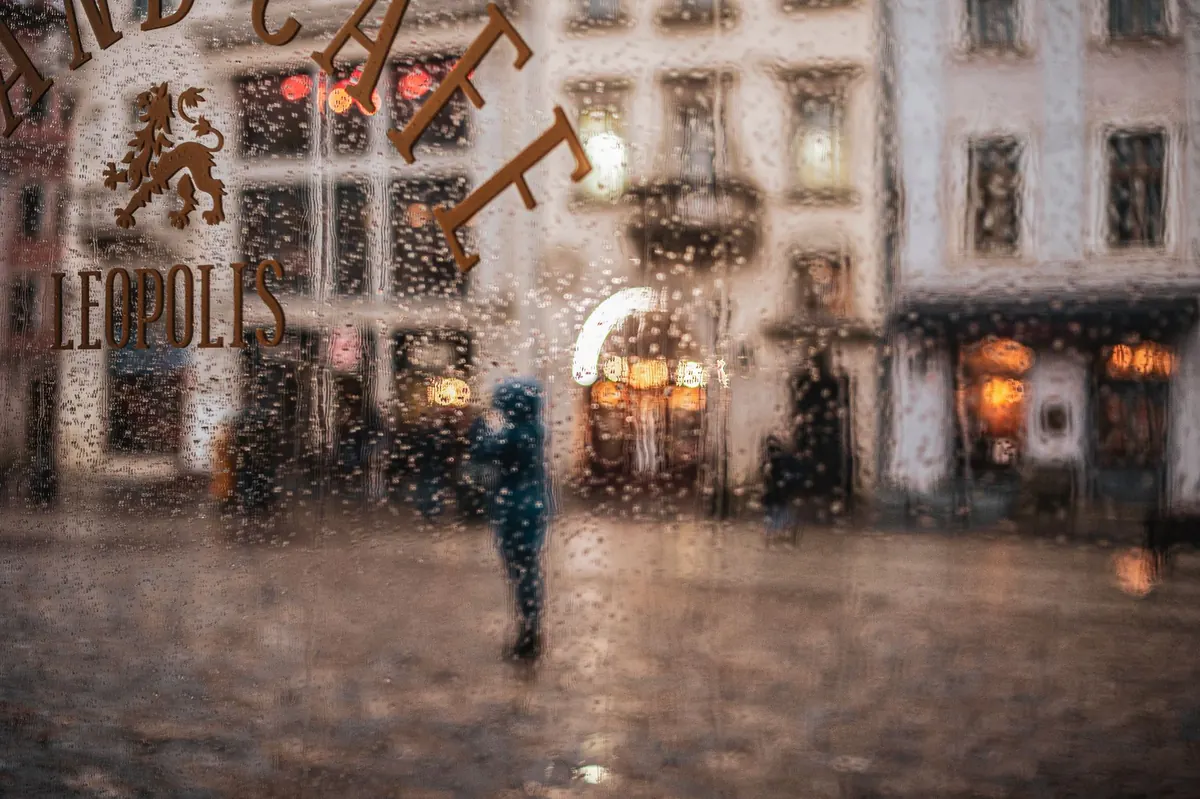
January and February push everything inside: kitchens, workshops, barns, the back room of the club. This is the season for long interviews with people who would rather not be filmed, and for questions about how the cold used to be handled. Who cut the wood, how many rooms were heated, what was cooked once and eaten for four days.
Carnival belongs here too, and it is rarely about the parade. It is about the masks made at home, the costume that gets handed down, the bonfire, the argument over who leads the procession. Winter is also when the emigration stories surface, because that is when people left: the uncle who went north in January and came back with a different accent.
What to ask at a winter table
Skip the broad invitation to reminisce. Try: What did this street sound like at night when you were ten? Then stay quiet for a moment longer than feels polite.
Spring: Processions, Planting, and First Communions
Holy Week is the densest week in the local year, and almost none of it is the procession itself. It is the women ironing the confraternity robes, the bakery working through the night, the route that has not changed in living memory and the one house that used to be included and no longer is. Ask why. The answer is a story.
After Easter the year turns practical: gardens dug, seeds swapped, the first proper market. Confirmations and first communions follow, which means families, photographs, and grandparents in good clothes — an easy moment to ask for a portrait and a short conversation. Check the parish calendar in January, since these dates move with Easter and catch everyone out.
Summer: Festivals and Returning Faces
The sagra season arrives with long tables and a volunteer kitchen staffed by the same six people it has had for thirty years. Sit through a shift before you write anything. The stories live in the washing-up, in the argument about the sauce, in the register of who has worked every edition since the beginning.
Summer is also when families come back: the emigrants, their children, the houses opened for three weeks and closed again. Book those interviews in June, because July is chaotic and August is gone. One practical note — people are relaxed, not invisible. Ask before photographing, ask again before publishing, and get names spelled correctly at the table rather than by phone afterwards.
Autumn: Harvest and Remembrance
Grapes, olives, chestnuts, mushrooms, wood. Autumn is the season with the most visible labour and the least documented knowledge: how you know something is ready, what a wet year ruins, which job your father did differently and why you stopped doing it his way. Preserving belongs here too — the passata, the jars, the cellar shelf that holds the winter.
Harvest stories are rarely about the crop. They are about who was in the field, what was said at lunch, and the year everything went wrong.
Then All Saints and All Souls, when the cemetery becomes the town's archive for two days. Who cleans which tomb, who comes from out of town, which names nobody tends anymore. Walk it slowly and ask permission before you take out a notebook.
A Prompt Bank You Can Reuse
Keep these on a card in your bag. They work in almost any season and any kitchen.
- Who taught you to do this, and what did they get wrong?
- What has this recipe, route, or ritual lost over the years — and what has it kept?
- Which year do you remember best, and why that one?
- What does everyone here know that a visitor never learns?
- What changed since your parents' time that nobody talks about?
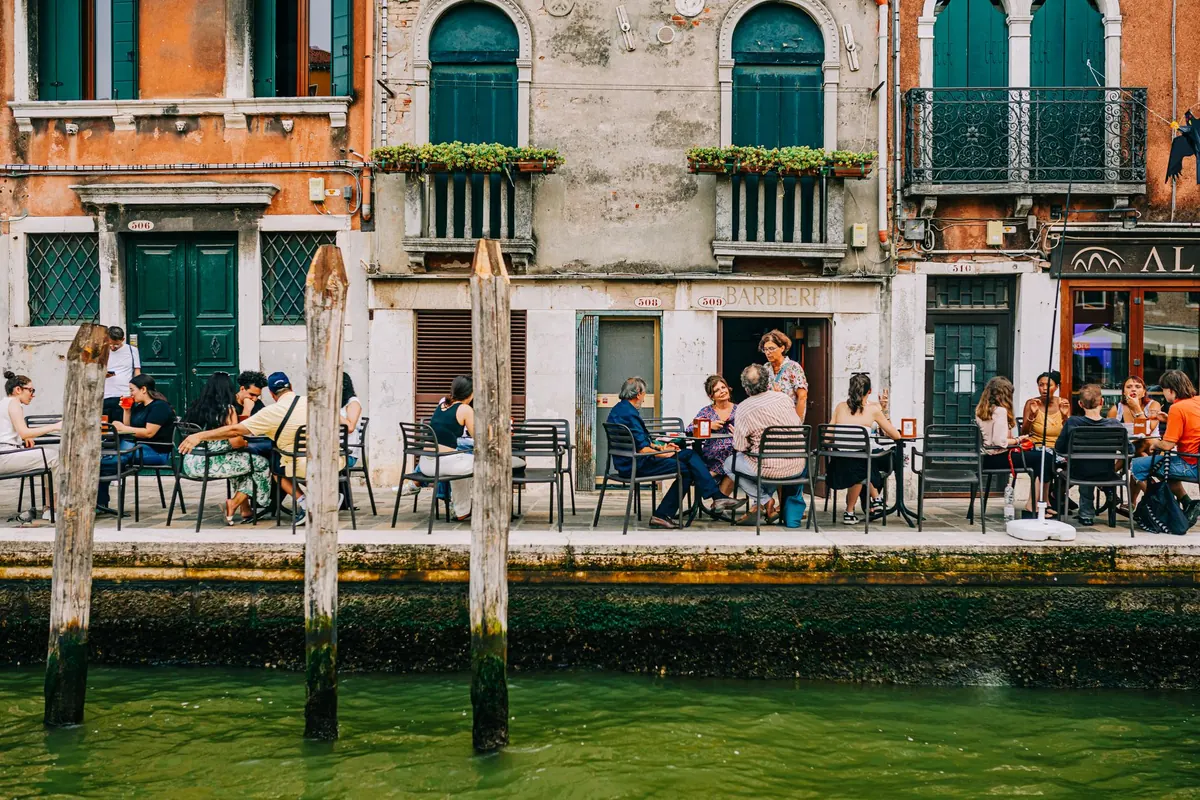
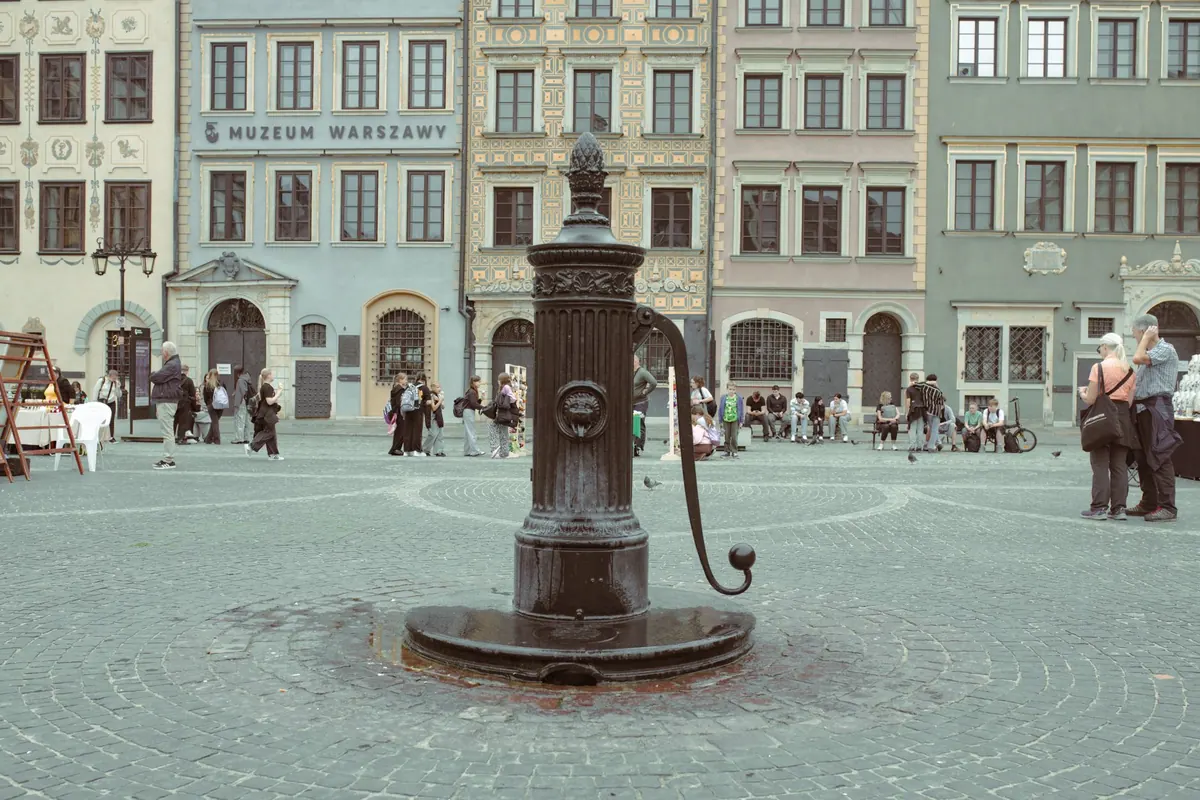
- What has this piazza been used for that it isn't used for now?
- Where would you take me if we only had an hour?
- What should I have asked you that I haven't?
The last one is the most reliable. Ask it, then put your pen down and let the silence work.
Keeping the Calendar Alive
A calendar built in January and never opened again is just a nice sheet of paper. Review it at the start of each season — twenty minutes, a coffee, a pencil. Note what you missed and why, and be honest about the reason: no time, wrong contact, wrong assumption about who cares.
Keep one page per month for notes, and label your files the same day you record them: date, place, full names, and one line on whether you have permission to publish. Read a passage back to the person who gave it to you before it goes anywhere. If they correct the details of their own life, they are right and you are not.
You will not cover everything, and you should not try. Two well-reported stories per season will outlast a dozen thin ones. The point of the calendar is not to fill it, but to make sure that when the chestnuts come down, you already know whose door to knock on.
Photo: dmncwndrlch / Pixabay